
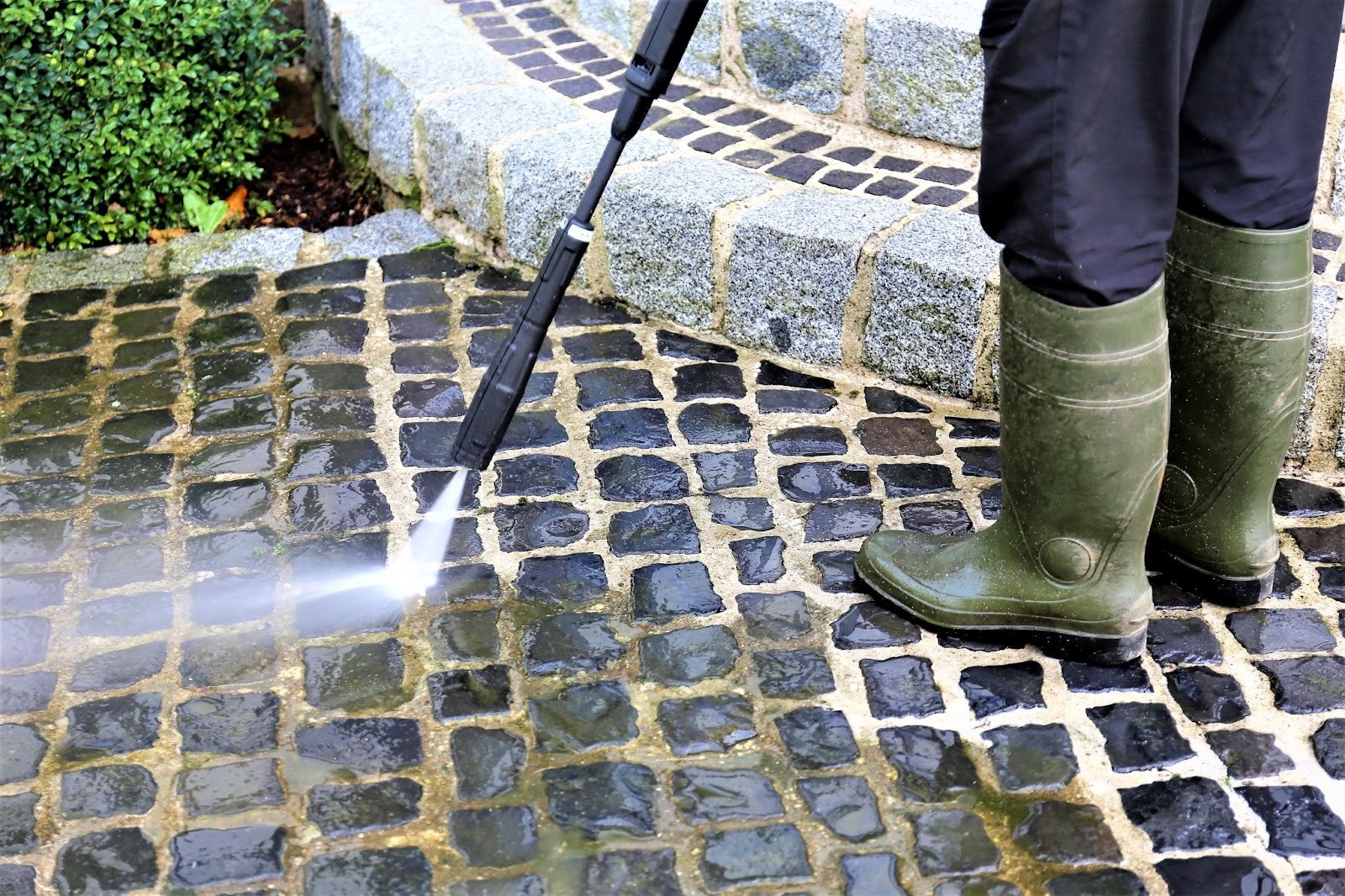
Pressure cleaning removes dirt, mould, algae, and surface buildup, but results differ significantly between DIY equipment and professional methods. The difference comes down to pressure control, cleaning solutions, surface knowledge, and long-term results. This guide compares both approaches using real scenarios, costs, risks, and outcomes to help you choose the right option.
DIY vs Professional Pressure Cleaning: What Is the Difference?
DIY pressure cleaning uses consumer-grade machines with limited pressure and control, while professional pressure cleaning uses commercial systems, targeted cleaning solutions, and surface-specific methods to deliver deeper, longer-lasting, and safer results.
How DIY Pressure Cleaning Works
DIY pressure cleaning uses hire or retail machines that operate at lower pressure and rely on manual technique.
Most DIY units run between 1,500 and 2,500 PSI, using standard fan nozzles and basic attachments. The user controls distance, angle, and coverage, which directly affects the outcome. Cleaning often relies on water alone or simple detergents.
DIY pressure cleaning works for light-duty tasks such as:
- Washing outdoor furniture, including plastic chairs and tables
- Rinsing dust and dirt from patios or small paved areas
- Cleaning vehicles, trailers, and garden equipment
Results are typically surface-level. Dirt may be removed, but underlying mould, algae, and stains often remain embedded.
How Professional Pressure Cleaning Works
Professional pressure cleaning uses commercial-grade equipment, controlled pressure systems, and specialised cleaning solutions.
Professional systems operate between 3,000 and 4,000+ PSI, with adjustable pressure settings suited to different surfaces. Cleaning involves multiple stages, including pre-treatment, pressure washing or soft washing, and post-treatment where required.
Professional methods include:
- Soft washing for delicate surfaces such as painted walls and roofs
- High-pressure cleaning for durable surfaces such as concrete
- Targeted chemical treatments to remove mould, algae, and staining
These methods allow operators to match pressure and technique to the surface, improving results while reducing risk.
Key Differences: DIY vs Professional Pressure Cleaning
Factor | DIY Pressure Cleaning | Professional Pressure Cleaning |
Equipment | Consumer-grade machines | Commercial-grade systems |
Pressure control | Limited | Precise and adjustable |
Cleaning solutions | Basic or none | Surface-specific treatments |
Results | Surface-level | Deep and longer-lasting |
Risk of damage | Higher | Controlled and minimised |
Time required | Several hours | Faster and more efficient |
Cost | Lower upfront | Higher upfront, better value over time |
5 Situations Where DIY Pressure Cleaning Works Well
DIY pressure cleaning suits small, low-risk tasks where surface damage is unlikely.
- Light dirt on concrete
Example: removing dust from patios, footpaths, and small paved areas - Outdoor furniture cleaning
Example: washing plastic chairs, tables, and garden items - Vehicle and equipment washing
Example: cleaning trailers, boats, and tools - Rinsing garden surfaces
Example: washing down garden edging or retaining walls - Small, open areas with minimal staining
Example: quick clean-ups where heavy buildup is not present
These tasks involve minimal risk and do not require specialised techniques or chemicals.
5 Situations Where Professional Pressure Cleaning Is the Better Choice
Professional pressure cleaning is required for surfaces that involve risk, heavy buildup, or specialised treatment.
- Roof cleaning
Organic growth such as moss and lichen requires controlled methods. - Mould or algae on walls
Embedded growth needs chemical treatment and soft washing. - Slippery driveways and pool surrounds
Deep algae removal restores traction. - Large surface areas
Time and consistency become major factors on bigger properties - Commercial properties and compliance cleaning
Regular maintenance is required for safety and presentation.
These scenarios require precision, efficiency, and long-lasting results that DIY methods rarely achieve.
The Real Cost Comparison: DIY vs Professional
DIY pressure cleaning appears cheaper upfront, but total costs increase when factoring in equipment, materials, and time.
DIY costs typically include:
- Machine hire: $80–$150 per day
- Cleaning products: $20–$60
- Time investment: 3–8 hours
Professional pressure cleaning includes:
- Higher upfront cost
- Faster completion
- Longer-lasting results
Risk of Damage: Where DIY Goes Wrong
Incorrect pressure use damages surfaces such as paint, render, timber, and roofing materials.
Common issues include:
- Etching concrete from excessive pressure
- Stripping paint from walls and fences
- Cracking or dislodging roof tiles
- Forcing water into gaps, leading to moisture problems
Most damage occurs due to incorrect nozzle selection, pressure settings, or distance from the surface. Without proper control, high-pressure water can cause permanent surface damage.
Cleaning Results: Why Professional Pressure Cleaning Lasts Longer
Professional pressure cleaning lasts longer because it removes the root cause of buildup, not just surface dirt.
Effective cleaning involves:
- Pre-treatment to break down mould and algae
- Deep cleaning using controlled pressure
- Post-treatment to slow regrowth
This process eliminates biological growth at its source and reduces the speed at which surfaces become dirty again.
DIY vs Professional: How to Choose the Right Option
The right choice depends on surface type, level of buildup, and risk.
Use this checklist to guide your decision:
- Is the surface delicate, such as painted walls or roofing?
- Is mould, algae, or staining deeply embedded?
- Is the area large or difficult to access?
- Is safety a concern, such as slippery surfaces?
- Do you want results that last longer than a few months?
If the answer to any of these is yes, professional pressure cleaning provides a more effective and lower-risk outcome.
When Pressure Cleaning Is Not Recommended
Some surfaces require low-pressure or alternative cleaning methods to prevent damage.
Examples include:
- Painted timber surfaces
- Weathered render
- Older or fragile roof tiles
- Sealed or coated surfaces
In these cases, soft washing or specialised treatments are more suitable than high-pressure cleaning.
Pressure Cleaning Services
Pressure Up provides residential and commercial pressure washing, pressure cleaning, and power pressure cleaning services to Toowoomba, Brisbane and surroundings, designed to restore exterior surfaces safely.
Services include:
- House washing
- Roof cleaning
- Tile roof cleaning
- Window cleaning
- Commercial pressure cleaning
- Concrete cleaning
Each service uses methods suited to specific surfaces to remove dirt, mould, algae, and environmental buildup effectively.
Book Your Pressure Cleaning Service Today
Ready to achieve longer-lasting results and reduce the risk of surface damage? Contact Pressure Up House Washing Services for a free, no-obligation quote. We provide reliable pressure cleaning designed to restore exterior surfaces efficiently and safely.
Call 0415 591 825 or enquire online today to schedule your service.
See our different package options or even tailor a package that suits your needs.


